Travelling from Sokoto to Zamfara State in northwestern Nigeria, plastic waste is impossible to ignore – bags snagged on acacia branches, water sachets choking roadside drains, uncollected refuse piled at the edges of towns and even farmlands. This sanitation problem, seen through a food system’s lens, reflects a broader national challenge. Plastic pollution is a […]
Towards Sustainable, Accountable, and Scalable, Home-Grown School Feeding in Nigeria
Background School feeding is a social protection intervention whose impact cuts across several dimensions of child wellbeing, including nutrition, health, schooling, and learning outcomes. It can also serve as a means of livelihood when designed in a way that connects with the local economy. On August 12, 2026, the International Food Policy Research Institute (IFPRI) […]
Assessing Digital Payments within Agri-Food Value Chains in the Aftermath of Nigeria’s Cash Crunch
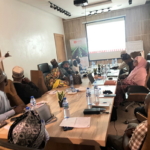
Near the end of 2022, the Central Bank of Nigeria began withdrawing old Naira notes from circulation as part of a redesign of the currency. With the slow distribution of new notes, Nigeria experienced a cash shortage. Between December 2022 and January 2023, the amount of currency in circulation fell by nearly 2 trillion Naira. […]
Building Better Data, Better Policies: Training a New Generation of Youth Enumerators in Northern Nigeria
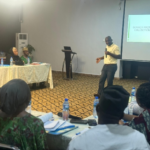
Good policies depend on good data. When governments and development partners design youth employment programs, social protection schemes, or education investments, they rely on evidence about how young people actually live, work, study, and move. If the data is incomplete, biased, or poorly collected, the resulting policies can miss their targets, and scarce resources may […]
Bridging Policy and Practice: A Stakeholder-Driven Theory of Change for Sustainable Agri-food Transformation in Nigeria
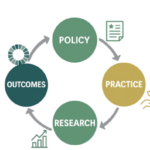
The future of Nigeria’s food system transformation gained momentum at the 47th National Council on Agriculture and Food Security (NCAFS), held in Kaduna. This high-level forum convened key actors – including the Honorable Minister and State Minister of Agriculture, Permanent Secretary, commissioners from all 36 states, development partners, private sector leaders, and civil society organizations […]
- 1
- 2
- 3
- …
- 7
- Next Page »